
Nursing With Purpose Speaker Lineup
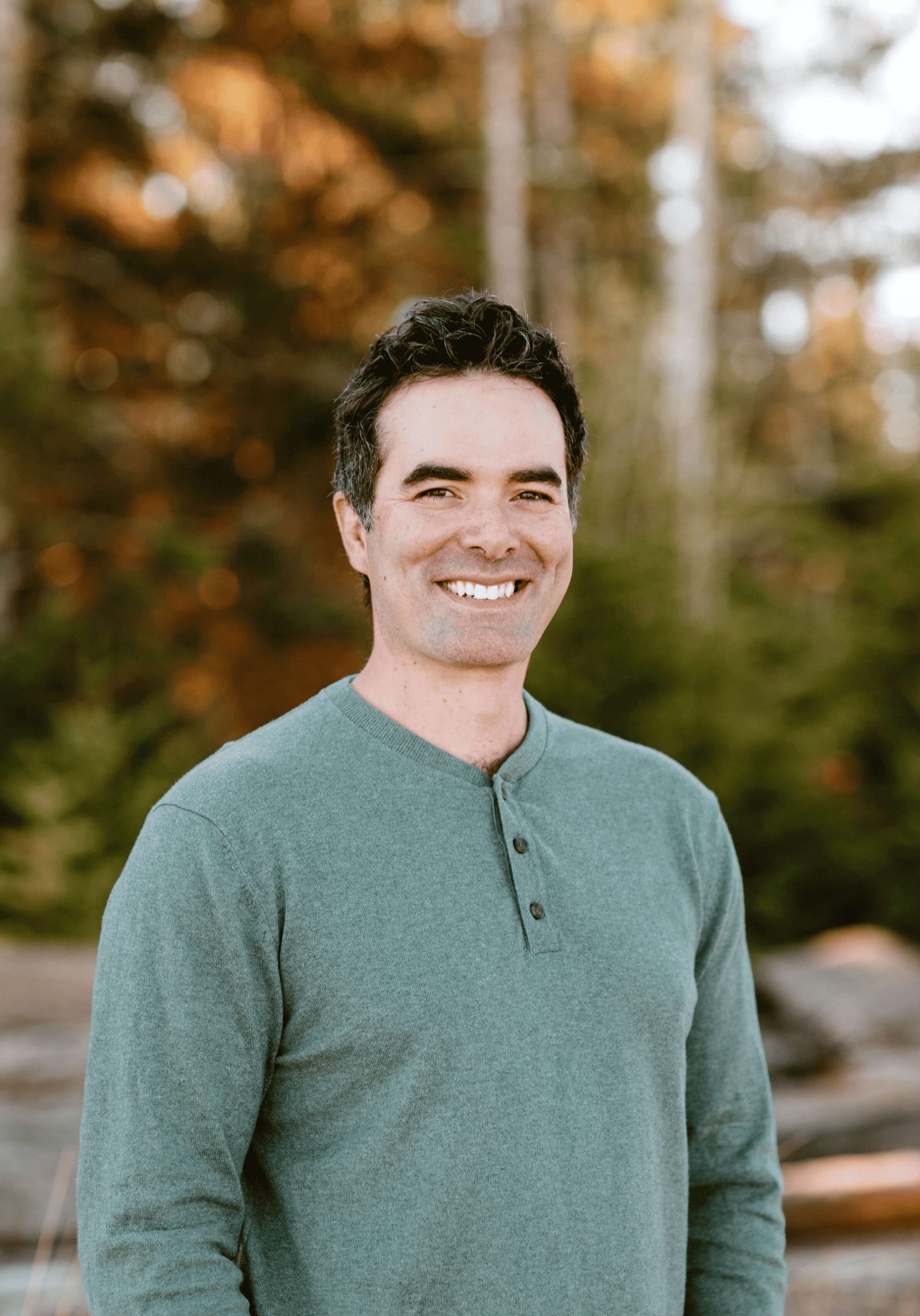
Kent Soltys
RN, BSN, Healthcare Leader, Clinical Educator, Nursing Thought Leader
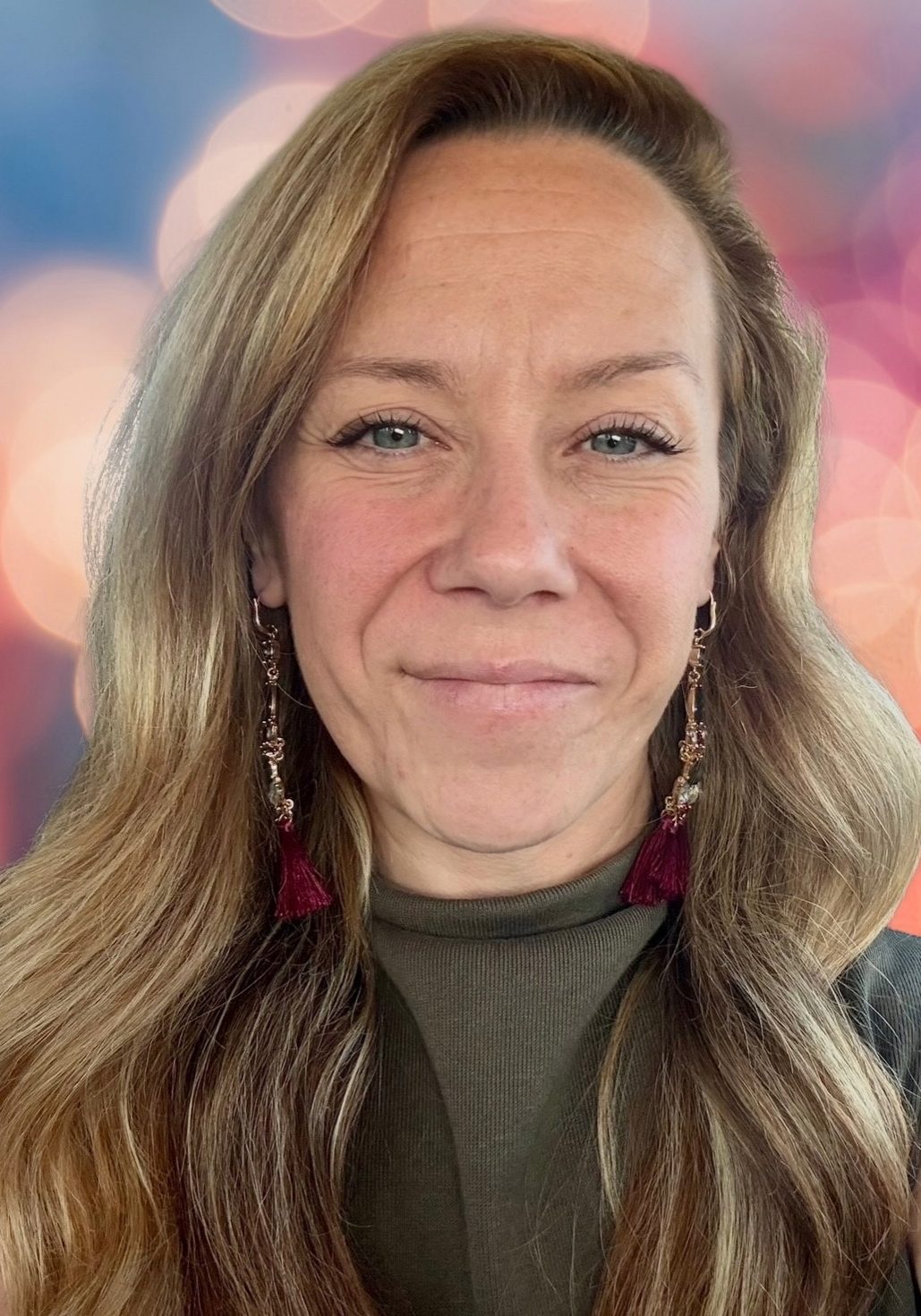
Samantha Miller
RPN, Clinical Supervisor with Recovery Alberta
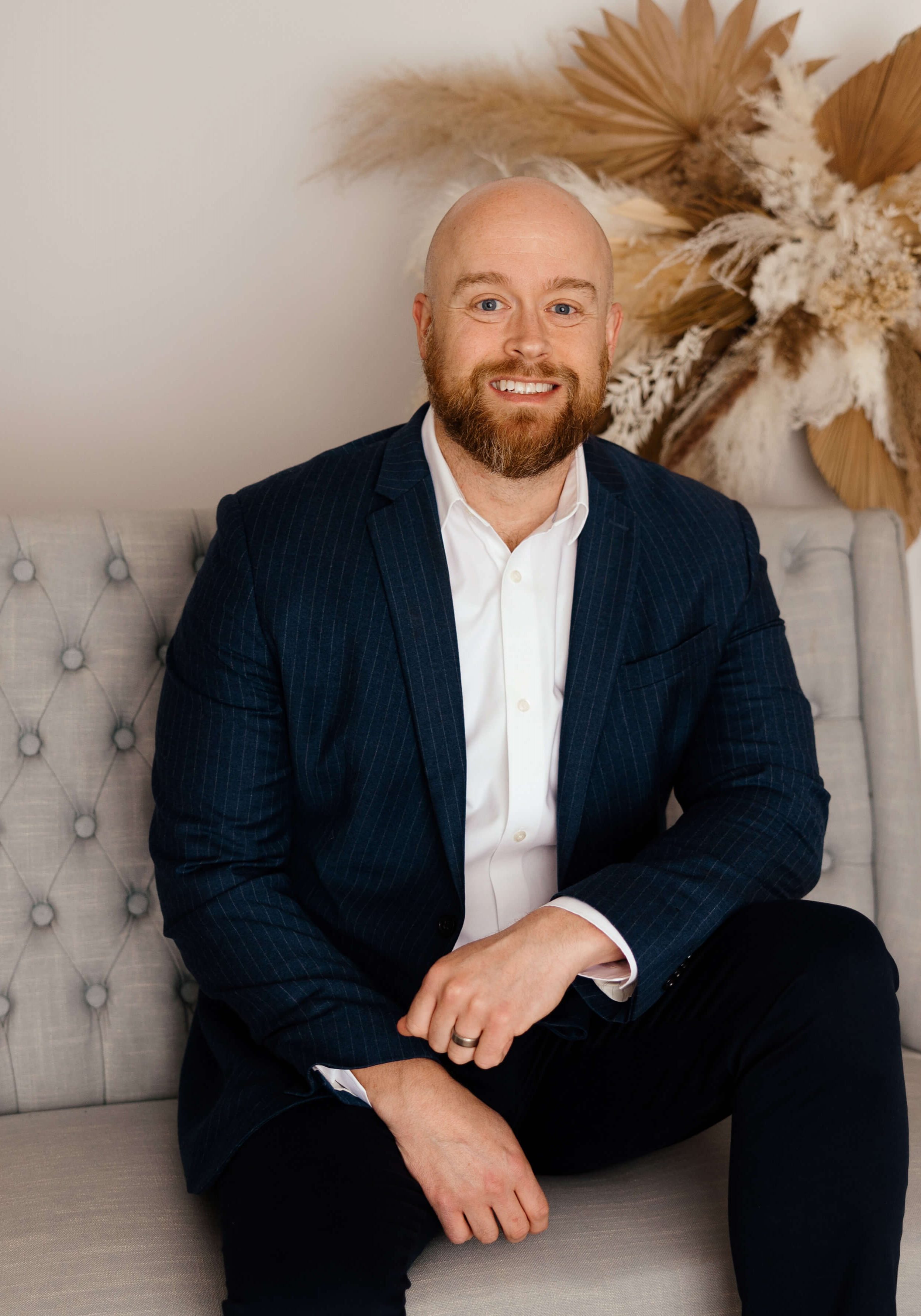
Peter Vermeulen
RPN, Professional Practice Lead for Addiction and Mental Health in the Edmonton Zone
Presentation: The Human Behind the Role: A Journey of Purpose, Resilience, and Rediscovery in Nursing
Nurses are often celebrated as heroes—resilient, tireless, and selfless. But behind the badge and the scrubs is a human being: someone who carries the emotional and physical weight of the work, often without being seen. In this personal and heartfelt presentation, Kent Soltys shares his own story of navigating the realities of burnout, compassion fatigue, and the moment that changed everything. Through reflection and lived experience, he offers an honest look at what it means to lose—and then rediscover—your purpose in the midst of a healthcare system that doesn’t always make space for the human behind the role. This is a story of resilience, of showing up even when it’s hard, and of remembering why we became nurses in the first place.
Presentation: Not Just for Psychiatry: Why Every Team Needs an RPN
Registered Psychiatric Nurses in Alberta hold a specialized scope of practice that integrates nursing knowledge, psychological theory, neuroscience, pharmacology and therapeutic communication. Despite this broad skill set, RPNs remain underrepresented in many parts of the healthcare system. Their work is often limited to traditional mental health settings rather than embedded across acute care, primary care, community programs, emergency departments and leadership roles.
This presentation, led by Peter Vermeulen RPN and Samantha Miller RPN, will explore the depth of RPN competencies and highlight opportunities for wider integration throughout the provincial health system. Healthcare needs are evolving. Rates of psychological distress, substance use, trauma, dementia and complex mental health presentations continue to grow. Every area of healthcare now intersects with mental health care, whether directly or indirectly. Feedback RPNs bring a biopsychosocial lens, strong assessment and diagnostic ability and advanced therapeutic engagement skills. This combination supports timely decision making, reduces escalation, strengthens interdisciplinary confidence and enhances quality of care across all environments. By placing RPNs in more varied practice areas, the system benefits from increased mental health capacity where people seek help first.
This session invites nurses, leaders and system partners to consider how RPNs can be more fully recognized and included within the broader healthcare landscape. Through examples, clinical context and facilitated discussion, Peter and Samantha will demonstrate that expanding RPN presence across both traditional and non-traditional settings is not only possible but necessary for a modern, recovery-oriented Alberta health system.

Destiny Johnson
LPN, BSN Student

Aninder (Angie) Grewal
MN, RN, PhD Student

Sam Olmstead
RN, RM, Post Grad Cert. Ed. (PGCE)
Presentation: Beyond Resilience: Reclaiming Our Purpose and Power in the Frontline Mental Health Crisis
In the current day and age of 2026, the nursing profession stands at a critical crossroads. While the term "resilience" has become commonplace in healthcare vocabulary, frontline nurses continually face a mental health crisis characterized less by exhaustion and more by moral injury from the distress of knowing the gap that exists between the care we want to provide and the realities of the current system. To honor the theme of "Nursing with a Purpose: Turning Insight into Impact", this session moves beyond the surface-level rhetoric of self-care to address the systemic roots of provider well-being. The session will focus on helping nurses to transform their clinical insight into tangible impact. It will explore how to reclaim agency by shifting the narrative from passive acceptance to active advocacy. Participants will learn to identify the signs of moral injury, establish peer-support frameworks, and implement micro-restorative practices that will help to protect the nurse's mental health without adding to their administrative burden.
Presentation: Reducing Caregiver Distress by Enhancing Nursing Practice Through PICS-F Awareness
Family caregivers play a critical role in the intensive care unit (ICU); however, their distress is often unrecognized within nursing workflows, creating avoidable challenges for both families and clinicians. Post-Intensive Care Syndrome-Family (PICS-F) describes the psychological, cognitive, social, and financial impacts experienced by families during and after critical illness. Unaddressed caregiver distress is associated with communication breakdowns and increased conflict between families and health care staff in the ICU, yet caregiver assessment remains a major gap in adult ICU nursing practice. This presentation reframes PICS-F as a nursing practice and workforce issue, rather than solely a family concern. Informed by ICU survivorship research, a scoping review of caregiver assessment tools, and clinical experience, the session explores how nursing practices shape caregiver experiences and influence communication, collaboration, and nurse workload. Participants will gain practical insights to strengthen family engagement, reduce conflict, and improve caregiver support in ways that are feasible within everyday ICU practice.
Presentation: Reigniting Purpose: Joy-Centred Wellbeing for Sustainable Nursing
In this dynamic and heart-centered presentation, Sam draws from her own lived experience of burnout and recovery to guide nurses back to balance, purpose, and joy in their professional lives. Through practical, evidence-informed nervous system regulation tools, participants learn simple strategies to cultivate emotional resilience, reduce stress, and enhance overall well-being. This interactive session weaves together education, embodiment, and meaningful reflection, offering techniques that can be seamlessly integrated into even the busiest nursing routines. Sam's signature blend of humor and relatable storytelling creates an engaging atmosphere where learning feels natural and empowering.
Participants will leave feeling calmer, clearer, and more connected - equipped with actionable tools to help prevent compassion fatigue and support sustainable practice. The session aligns beautifully with organizational goals focused on nurse wellness, retention, and long-term professional thriving, supporting nurse wellness and professional sustainability.
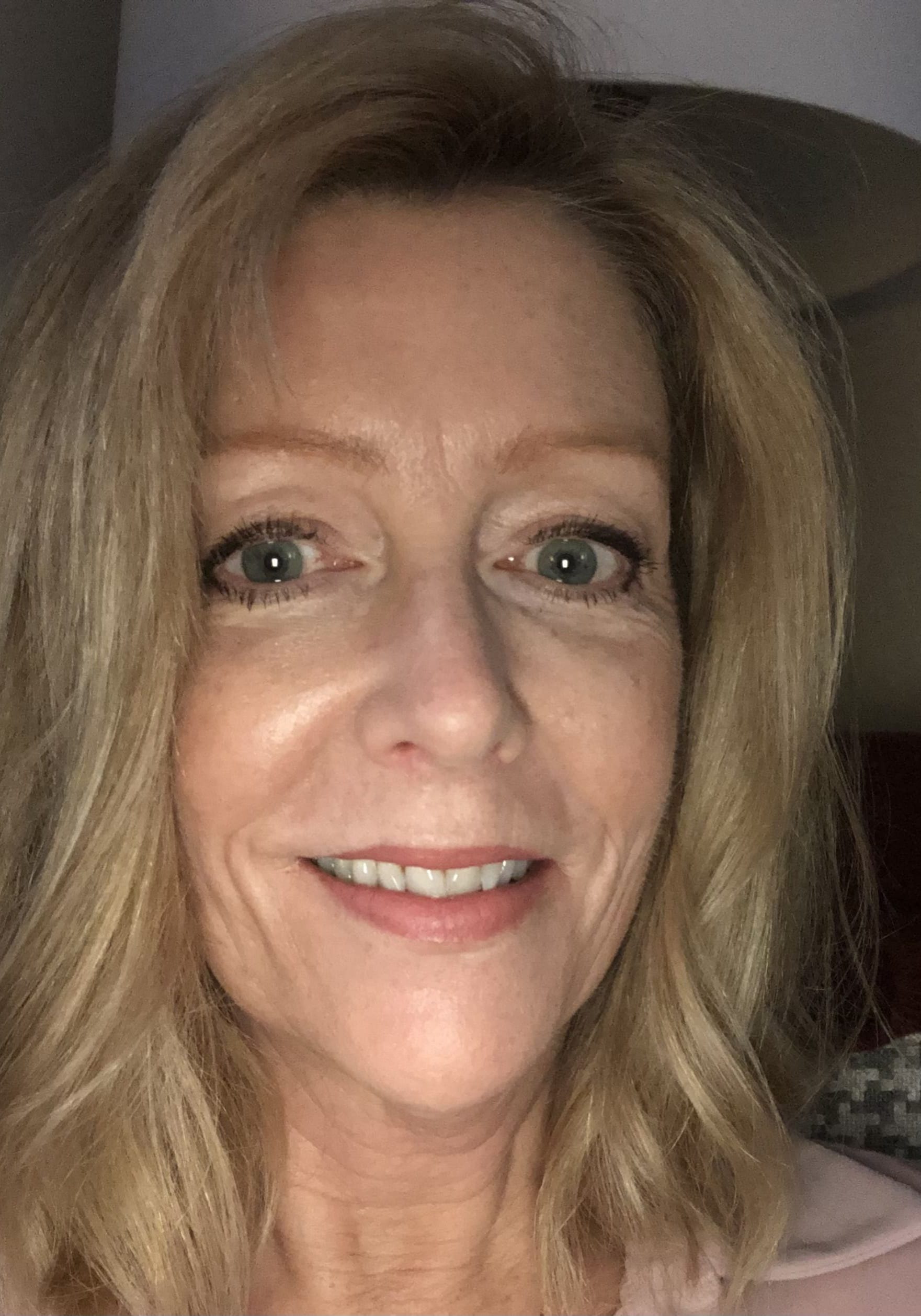
Dawn Vallet-MacDonald
RN, BScN, MSc

Lucy Thomas
RN, BScN
Kelly Kilpatrick
RN, PhD
Presentation: Nursing Mentorship Network Pilot Formal Program: Cultivating Collaboration, Innovation, and Growth through Formal Mentorship
The Nursing Mentorship Network Pilot Formal Program was launched to foster collaboration, leadership, and growth across Alberta's diverse nursing workforce, including Registered Nurses, Licensed Practical Nurses, Registered Psychiatric Nurses, and Nurse Practitioners. This provincial initiative connected 129 nurses through a structured, nine-month process with regular check-ins, interactive learning sessions, and continuous evaluation. The program promoted knowledge sharing, career development, and leadership across all nursing roles and career stages. Evaluation showed an 85% retention rate (110 participants), with 91% of respondents reporting a positive and satisfying experience, and 88% noting professional or personal growth. Participants valued strengthened mentor-mentee relationships, increased confidence, and accessible learning opportunities. The inclusive Pilot supported nurses from varied backgrounds and locations, reinforcing equity and accessibility. Key learnings included the need for improved matching, flexible scheduling, and tiered education resources. Streamlined administration, protected time for mentorship, and regular check-ins were identified as essential for sustaining engagement. Insights from the pilot directly inform the upcoming Tiered Mentorship Model, which will feature tiered mentor education, enhanced support, and improved accessibility for nurses at all career stages. By cultivating purposeful relationships and continuous feedback, the model aims to advance nurse well-being, retention, and leadership development. This presentation will share practical strategies, participant experiences, and key lessons to inspire scalable mentorship innovation across nursing practice.
Presentation: Tapping into Nurses’ Full Potential Could Ease Health System Strain
Findings will be presented from an evidence overview conducted with an international team of researchers. The overview brought together results from 117 systematic reviews, covering evidence from 1,653 individual studies. These findings informed the State of the World’s Nursing 2025 report by the World Health Organization (WHO) and helped shape priority recommendations for nursing from 2026 - 2030.
Dr. Helen Kelley
PhD
Dr. Monique Sedgwick
RN, PhD
Candace Jensen
CIPP/C, CIAPP/C, HIPAA Director of Privacy Brightsquid Secure Communications Corp.
Presentation: Internationally Educated Nurses Experience of Nursing Practice in Rural Alberta
Internationally Educated Nurses (IENs) are an important component of the healthcare workforce and a contributing solution to the nursing shortage. They also have the potential to create a stable healthcare workforce in rural and remote areas. However, IENs face multiple challenges during their transition and integration into rural nursing settings and communities. Using a sequential mixed methods approach, individual interviews using participant photographs and an online survey, data were generated that describe IENs’ experiences in nursing practice in rural communities in Alberta, Canada. The findings showed that IENs engage in a variety of purposeful strategies to help them thrive in their rural practice and community. They rely on crucial interactions and connections with healthcare leaders and administrators, and managers; nursing colleagues; and community members to make their transition to working and living in rural settings. These connections are particularly important since 50.7% of the IENs surveyed reported they would leave the rural setting if offered a similar position in a city especially given that they experience discrimination and bullying in the workplace. Overall, IENs are highly motivated to “fit in” and to become accepted as contributing members of the nursing team and rural communities. The findings emphasize the importance of professional growth for nurses and the opportunities to learn from each other. This presentation highlights practical and unique activities and strategies to enhance IENs’ experiences in transitioning to rural nursing practice and rural life. These insights have the potential to translate into meaningful impacts for addressing the nursing shortages.
Presentation: Privacy without Burnout: Design Safer Systems that Support Well-Being and Professional Practice
Nurses are increasingly expected to manage privacy perfectly while working in understaffed, high-pressure environments shaped by rapid technological and system transformation. When privacy responsibilities are treated as individual compliance tasks, the result is added cognitive load, moral distress, and burnout.
This session reframes privacy as a leadership and system-design responsibility, not a personal failing. Drawing on evidence from patient-safety science, human factors research, and real-world nursing scenarios, participants will learn how nurses and leaders can support privacy-safe workflows that protect patients and support well-being.
Fadumo Robinson
DN

Asha Farah
NP
Deka Egeh
Bio:
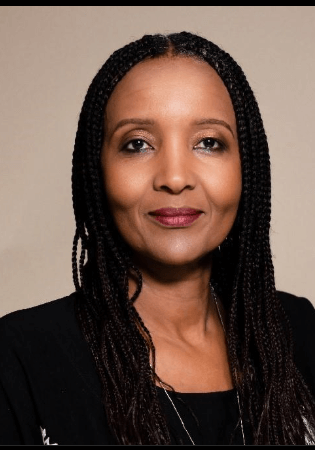
Dr. Fadumo Robinson is a senior healthcare leader with more than 25 years of diverse healthcare experience, including operational leadership, professional practice, workforce development, innovation, and system-level quality improvement. Her work spans acute and community care environments and focuses on strengthening nursing practice, leadership capacity, and sustainable workforce models.
Dr. Robinson currently serves as Associate Chief Nursing Officer at Alberta Health Services, where she provides executive leadership across Specialty Education, Professional Nursing Practice, and Advanced Nursing Practice. In this role, she leads large, diverse teams and partners closely with regulatory bodies, post-secondary institutions, and operational leaders to advance evidence-informed practice, leadership development, and integrated models of care.
Presentation: When Joy Comes Second
Black women’s health can no longer be ignored or dismissed. Their pain, health concerns and mental wellbeing have been brushed off or not taken seriously by doctors and nurses leading to ongoing health disparities for decades. The margins are only getting wider; especially in maternal and neonatal health whereby the maternal mortality rate in the US of black mothers is three to four times more than their white counterparts (Hoyert, 2023). Most research to date on these disparities are from USA or UK, however a few critical studies of black women's experiences in healthcare in Canada( Black Women's Institute for Health, 2025) and another on the disparities in preterm births in Canada highlight the significant need for change ( McKinnon et. al, 2016).
Over the last few years, time and time again my news feed on social media showed viral footage of the brutal reality for black mothers - dismissing and dehumanizing treatment at the hands of those who were supposed to care for them. It’s time to wake up as nurses and do more. Research has shown that most of the maternal deaths are from preventable causes. As leaders in healthcare at the front lines we can do better to address the health crisis in black women’s health.
Kathy Howe
Presentation: A Final Challenge: Turning Insight Into Action to Achieve Impact
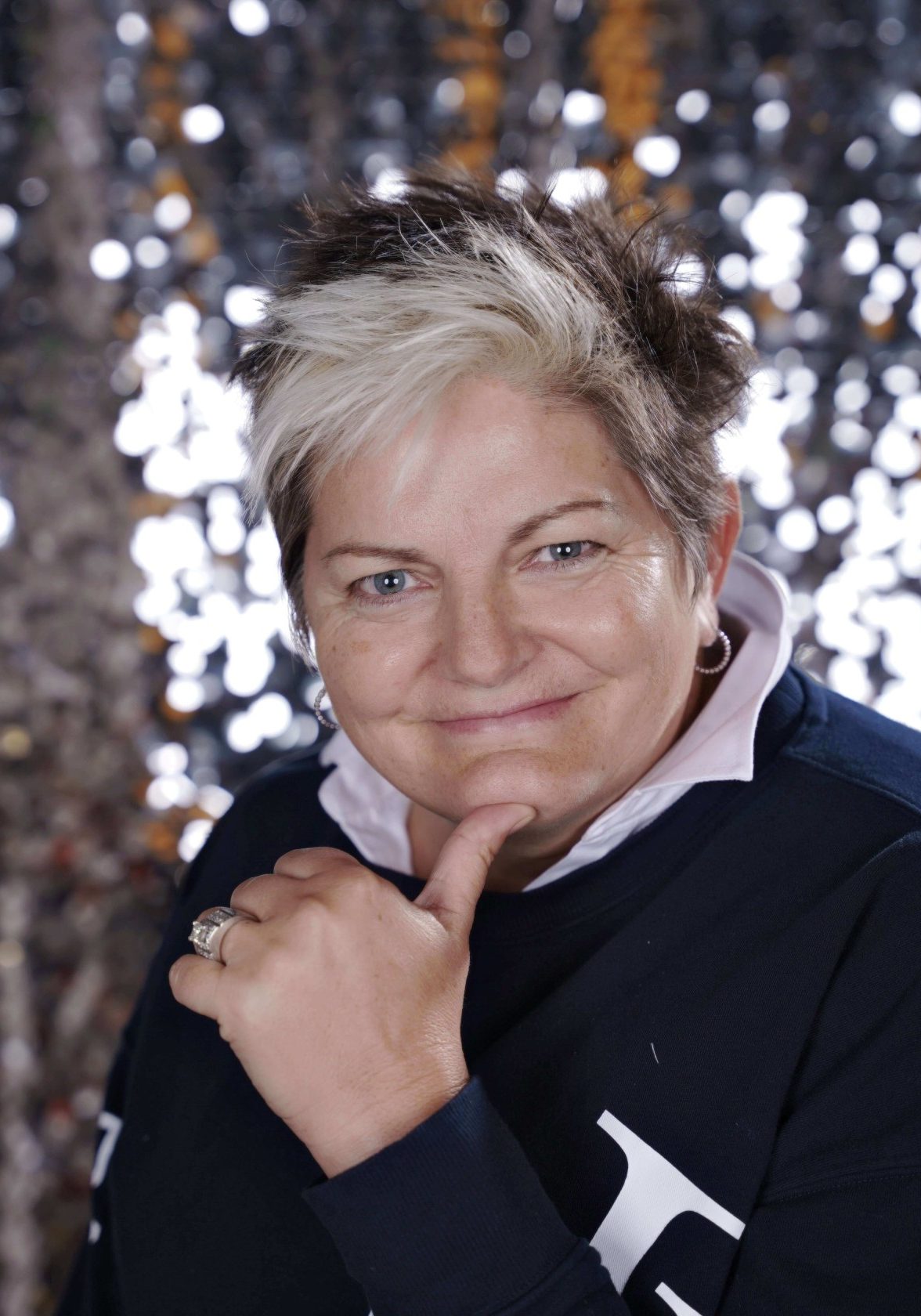
The closing keynote session will inspire participants to consider what it will take to turn Insight into Impact. Using real world examples and considering what participants will learn throughout the conference, Kathy will challenge participants to leave inspired, energized, thoughtful and challenged to actively impact healthcare through the power and strength of nurses and the nursing profession.
